
LIWONDE NATIONAL PARK AND MANGOCHI FOREST RESERVE
AFRICAN PARKS SOCIO-ECONOMIC STUDY
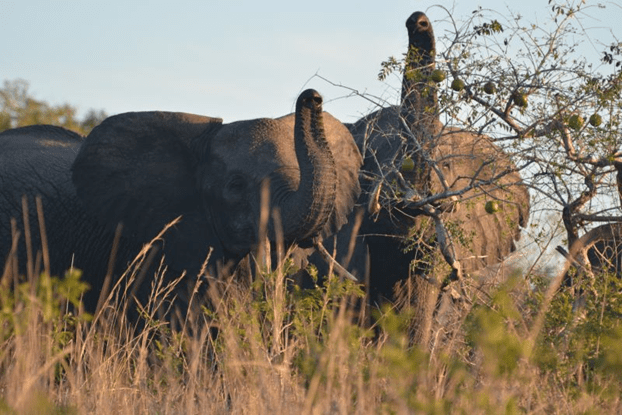
Over one million people live within 5 km of Liwonde National Park (545 km²) and Mangochi Forest Reserve (358 km²). These communities are closely tied to the landscapes that shelter elephants, rhinos, lions, hippos, and rich woodlands. Their proximity underscores both the opportunities and challenges of conservation in Malawi—from resource use and human-wildlife conflict to community development.
African Parks, in partnership with the Government of Malawi, has engaged Matex International Ltd, a leading Malawian consultancy, to conduct a socio-economic study of the communities surrounding Liwonde National Park and Mangochi Forest Reserve. The study aims to develop a comprehensive socio-economic profile of these communities, generating robust data to guide inclusive, evidence-based strategies for both conservation and community development.
....
Conserve biodiversity while safeguarding livelihoods
Located in southern Malawi and bordered by the Shire River, Liwonde National Park is characterised by lush floodplains and dense woodlands, providing a fertile landscape that supports an abundance of wildlife.
Adjoining Liwonde National Park, Mangochi Forest Reserve is a critical ecological catchment that serves as an important distribution area for elephant and other species in this region of Malawi. Despite years of decline, this reserve is still home to a small population of elephant, a breeding population of leopard, and uniquely occurring bird and butterfly species.
African Parks
The organisation was founded in 2000 in response to the dramatic decline of protected areas due to poor management and lack of funding.
African Parks is a non-profit conservation organisation that takes on responsibility for the long-term management of protected areas in partnership with governments and local communities. African Parks manages 24 protected areas in 13 countries covering over 20 million hectares in Angola, Benin, Central African Republic, Chad, the Democratic Republic of Congo, Ethiopia, Malawi, Mozambique, the Republic of Congo, South Sudan, Rwanda, Zambia and Zimbabwe.
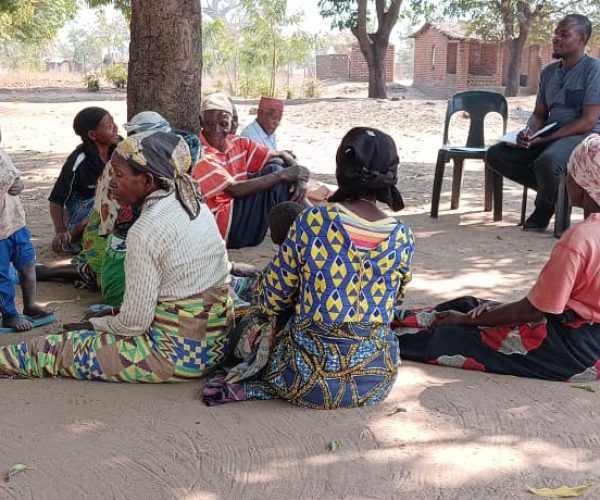
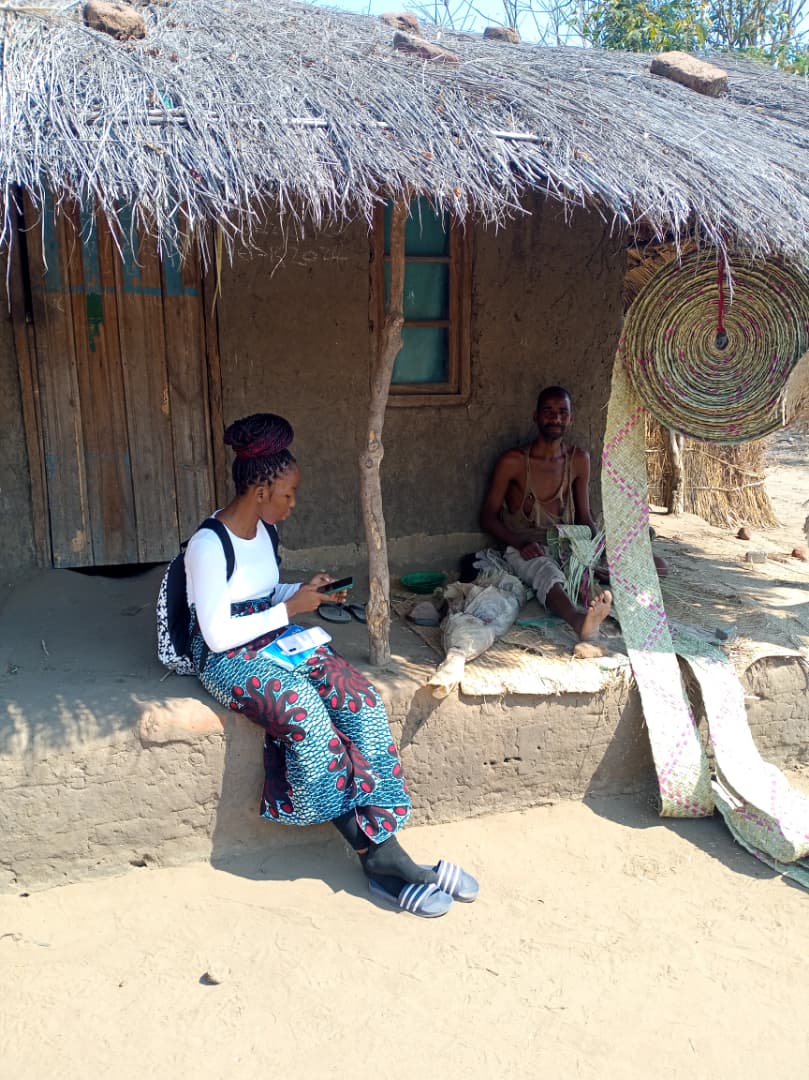
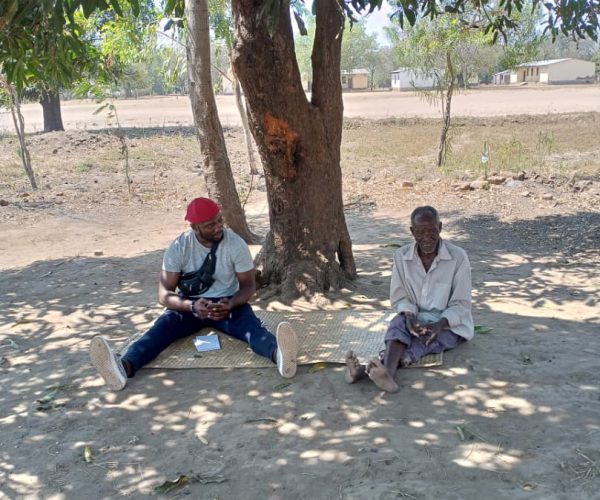
The primary purpose of this socio-economic assessment is to provide detailed baseline data on community demographics, livelihoods, resource dependencies, social services access (water, sanitation, education, health, energy), governance, and community perceptions towards conservation and wildlife management. Specifically, the assessment will document human-wildlife conflict dynamics, community safety issues, and the effectiveness of current mitigation strategies. This information will enable AP to measure progress, refine strategies, and ensure inclusive and sustainable community engagement.
Socio-Economic Baseline Study
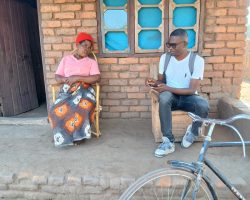
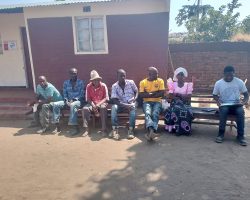
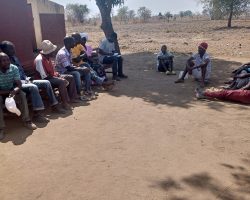
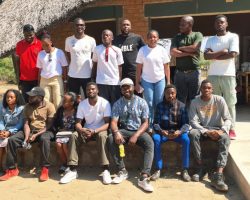
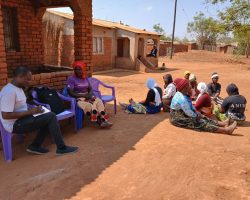
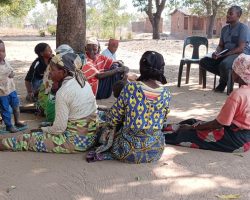
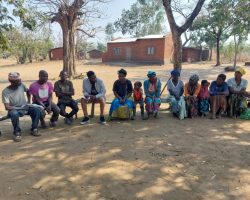
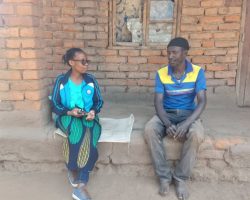
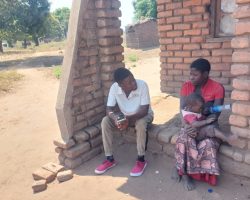
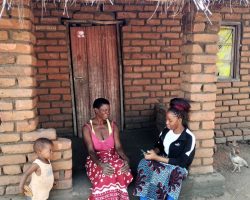
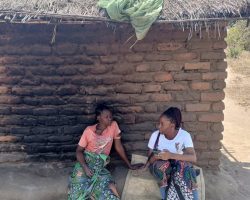
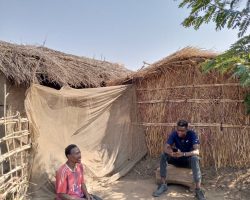
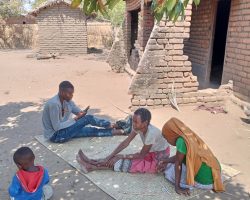
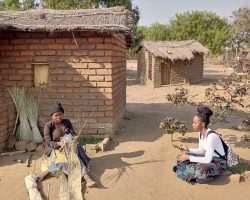
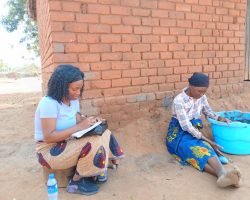
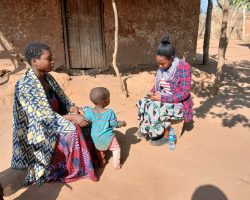
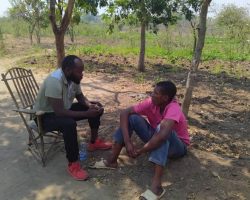
Matex International Ltd conducted a socio-economic baseline study of the communities surrounding Liwonde National Park and Mangochi Forest Reserve. The study will assess:
Conducting baseline environmental and social assessments
- Household incomes and livelihood sources
-
- Reliance on natural resources and food security
-
- Education and health
-
- Access to water, and sanitation
-
- Gender equity and governance
-
- Perceptions of conservation, benefits, and challenges of human–wildlife coexistence
Socio-Economic Baseline Study
Matex International Conducted a Socio-economic Study of the communities surrounding Liwonde National Park and Mangochi Forest Reserve Matex
The study assesses:
Household incomes and livelihood sources
Reliance on natural resources and food security
Education and health
Access to water, and sanitation
Gender equity and governance
Perceptions of conservation, benefits, and challenges of human–wildlife coexistence
📩 : Partner with Matex International Ltd
At Matex International, we are honoured to contribute our expertise in socio-economic and environmental assessments, working with African Parks to ensure that Malawi’s conservation efforts build resilience, opportunity, and coexistence are not only ecological but also socially inclusive and sustainable for generations to come. If you share our vision for a greener, more sustainable world, let’s work together to make it a reality.
For additional partnership inquiries, please reach out to us at info@matexmw.com.