
Press Corporation Limited 50MW Photovoltaic Solar Plant

Press Corporation intends to install a 50 Megawatt (MW) solar photovoltaic power generation plant at Nkhoma, in Lilongwe District. The company secured an approval from the Electricity Supply Corporation of Malawi (ESCOM), to connect to the 132KV busbar at its Nkhoma substation after the implementation of the Malawi-Mozambique
400 KV transmission interconnection Project. The project will take about 10 months to construct and is expected to commence in March 2024. It is expected that the project will employ 10 people during planning phase 240 workers during
construction phase and 14 workers during
operation phase.
Sustainable Rural Water and Sanitation Infrastructure Project
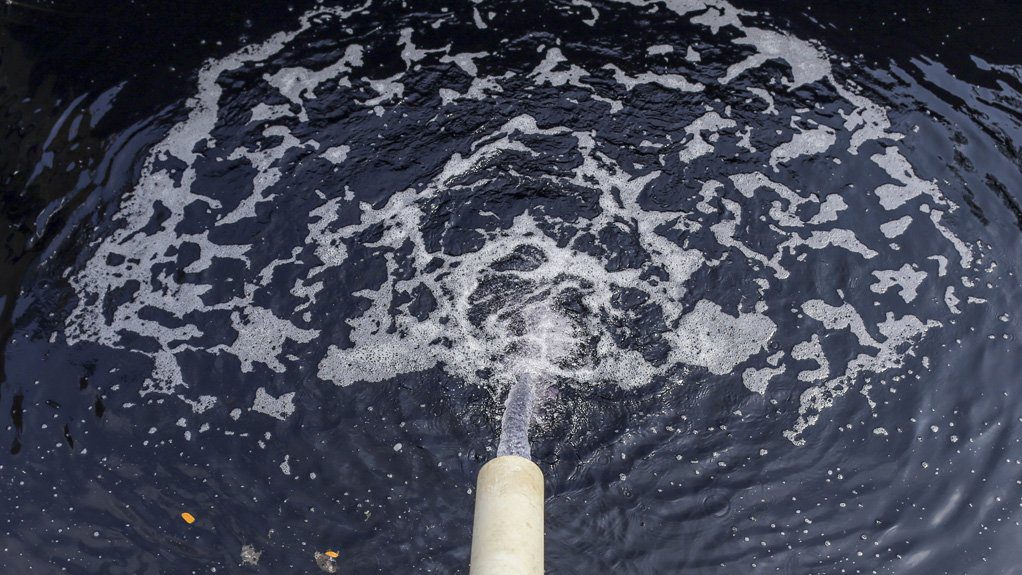
Through the Ministry of Water and Sanitation the government of Malawi implemented the Sustainable Rural Water and Sanitation Infrastructure for Improved Health and Livelihood (SRWSIHL) project with funding from African Development Bank (AfDB).
NWB Water Efficiency
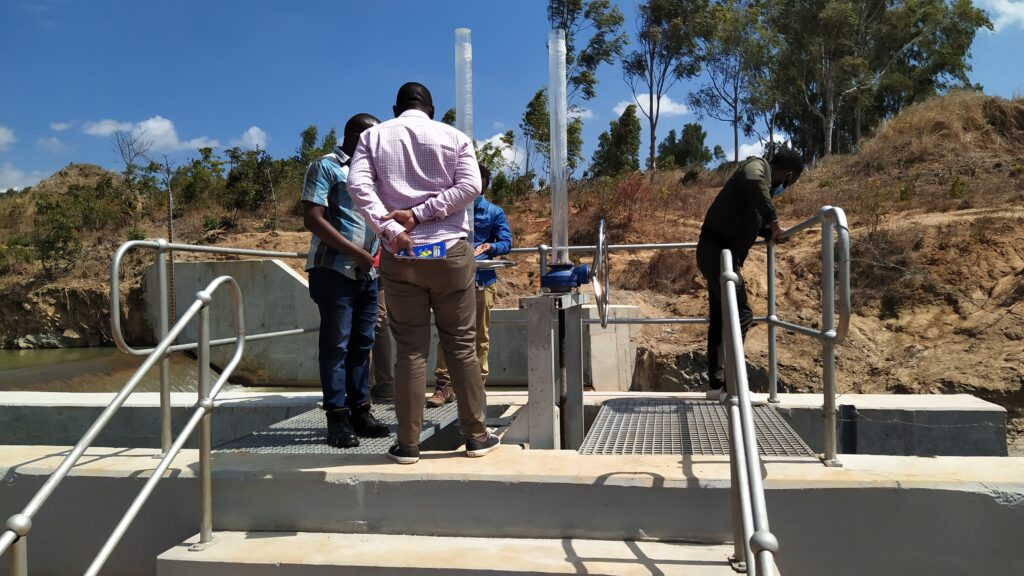
Water Efficiency Project In 2018, Northern Region Water Board (NRWB) received financial assistance from the European Investment Bank (EIB) to implement the Water Efficiency Project aimed at increasing reliable water supply for Mzuzu city and Ekwendeni township. The goal of the project was to improve socio-economic growth through increase in access to potable water targeting 345,450 residents in Mzuzu city and 55,400 residents in Ekwendeni by 2030. The main project components were: construction of Ekwendeni Water Treatment Plant (WTP) with a capacity of 13,200 m3; construction of a water storage tank with capacity of 1,000m3 at Chinungu Hill and installation of pumping mains from the WTP; installation of a 3.5 Km long pumping mains from the WTP to Bobo Tank; installation of a distribution pipeline; installation of a booster pump at MBC reservoir tank and an 8.5 Km long pumping mains from the WTP; and installation of a booster pump at Lusangazi. The total cost of the project was estimated at EUR 20.5 million. NRWB hired Matex International as the consultant to conduct an ESIA for the project. Jenda and Chilumba Water Supply and Sanitation Project NRWB implemented the Water Supply and Sanitation Project for Jenda in Mzimba and Chilumba in Karonga. The project aimed at expanding and rehabilitating Jenda and Chilumba water supply schemes to meet its current and future water supply demand by improve supply and access to potable water, and improve sanitation for the residents. The main project activities were: Construction of two river intake weirs across Kamwankhu/Kabwazi Rivers Confluence (25 m long and 5 m high) and across Kavikhwawa River (200 m long and 25 m high) Installation of two raw water pipelines for a total distance of 11.5km Construction of a water treatment plant Construction of service tanks Installation of a 120 Km long distribution pipelines Installation of a 30 Kw solar power supply system at the treatment plant and office building Construction of a restricted solid waste dumpsite Chilumba Water Supply Scheme Construction of a 13,109 m3/day capacity water treatment plant Construction of three service reservoir tanks Installation of an 8.3 Km long pumping mains Installation of 180 km distribution pipelines Installation of a 511 Kw solar power supply system at treatment plant (300 Kw), Mphiri tank (20 Kw), Chilumba booster (170 Kw), Vinthukutu tank (20 Kw), Hara booster (21 Kw) and Sangilo tank (10 Kw) Construction of a restricted solid waste dumpsite The NRWB hired Matex International as a Consultant to conduct an ESIA for the project. Water Efficiency Project (Two River Intake Structures) The NRWB, with support from the European Investment Bank (EIB), implemented the Water Efficiency Project with the aim of increasing reliable water supply for Mzuzu city and Ekwendeni township. This component of the project involved construction of two intake weirs across the Lunyangwa River, one at the Mzuzu Water Treatment Plant (WTP) and the other at the Ekwendeni WTP. Initially, the existing weirs were temporary structures and were made of sandbags to intercept water that was then abstracted through pumping to the water treatment works. This resulted in the significant loss of water by passing around or under the weir. This necessitated the NRWB to construct the new intake weirs with reinforced concrete to enable increased water abstraction and increasing the supply capacity by about 95%. The total costs for implementing the Ekwendeni and Mzuzu weir projects were estimated at €165,000.00 and €65,000.00 respectively. The NRWB hired a consultant to conduct an ESIA for the proposed project in 2018. Due to come challenges, the project was not implemented as the ESIA did not address some issues with other stakeholders. In 2021, NRWB hired Matex International to update the ESIA by addressing the issues that posed challenges on the implementation of the project. To access the Matex International full company profile Click here
GreenCollar’s Smallholder Reforestation in Malawi
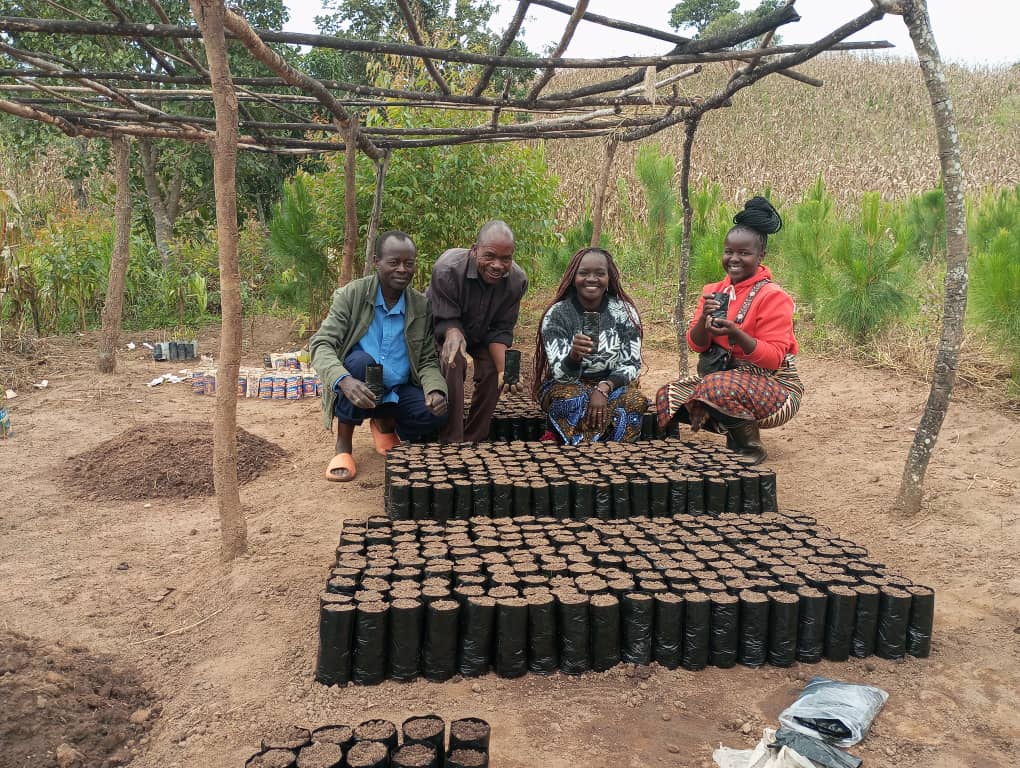
Green Collar, in partnership with Ripple Africa, is implementing one of Malawi’s most ambitious smallholder-driven afforestation initiatives. The project supports thousands of rural households to restore degraded land, increase climate resilience, and generate sustainable long-term income through carbon farming.
UN Women House Renovation
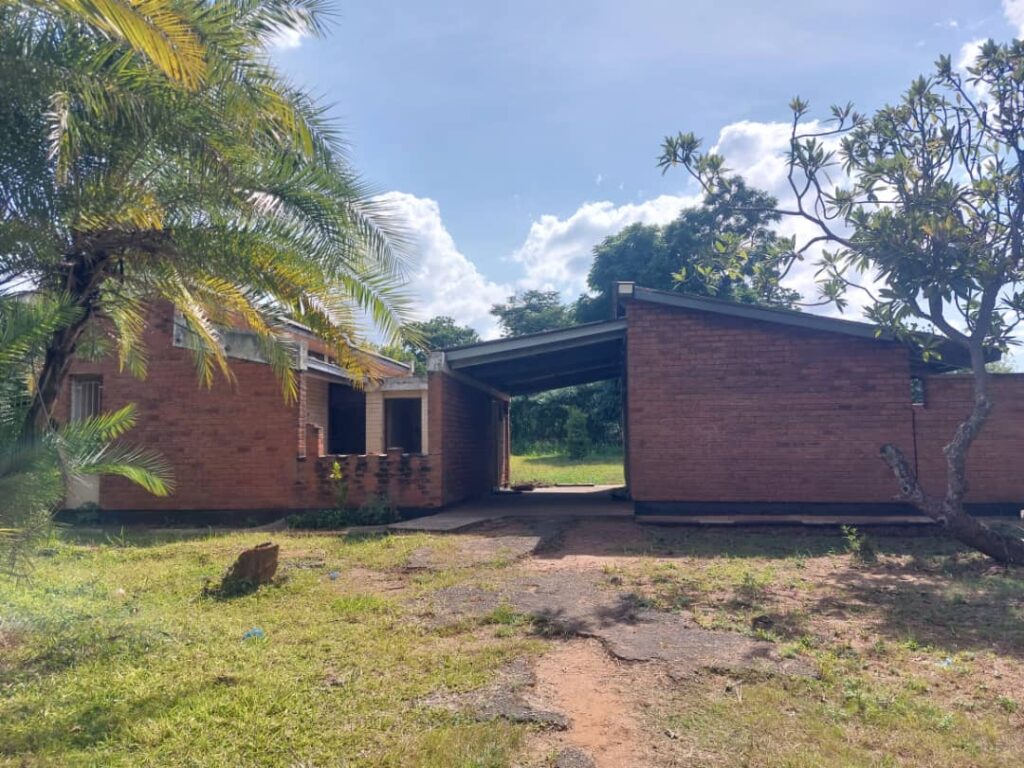
UN Women House Renovation ESIA services Matex International is proud to provide Environmental and Social Impact Assessment (ESIA) services for the renovation and construction of additional facilities for the Malawi UN Women offices in Area 10 Lilongwe, through the United Nations Office for Project Services (UNOPS). This assessment for the coming construction activities ensures compliance with Malawi’s environmental regulations and European Investment Bank (EIB) Environmental and Social Standards. This assignment builds on our continued collaboration with UNOPS, following the successful delivery of Environmental and Social Consultancy Services under the Zantchito – Skills for Jobs Programme, where Matex International developed ESIA for the construction of various facilities across key TEVET institutions in Malawi. Link to Our previous work with UNOPS: Zantchito Programme- Upgrading 4 TEVET College The proposed renovation and expansion of the house with containerized office spaces in Lilongwe will involve several key civil works to improve structural integrity and functionality. These works are intended to enhance office functionality, staff safety, and sustainability performance across all operations. Environmental & Social Impacts Matex International Conducted an Environmental and Social Impact Assessment (ESIA) fot this assignment. Matex International’s role has included: Conducting baseline environmental and social assessments Analyzing potential impacts Designing mitigation strategies and Environmental and Social Management Plans (ESMPs) Ensuring compliance with both national and international legal frameworks Stakeholder engagement to address evolving social and environmental concerns. Enhanced mitigation strategies for biodiversity conservation and water resource management. Preparing a detailed ESIA Report for the Project Environmental & Social Impacts Matex International Conducted an Environmental and Social Impact Assessment (ESIA) fot this assignment. Matex International’s role has included: Conducting baseline environmental and social assessments Analyzing potential impacts Designing mitigation strategies and Environmental and Social Management Plans (ESMPs) Stakeholder Engagement Plans Preparing a ESIA Report 📩 : Partner with Matex International Ltd At Matex International, we are committed to building a sustainable and resilient future. We collaborate with governments, international organizations, NGOs, and industry leaders to drive impactful environmental and energy solutions. If you share our vision for a greener, more sustainable world, let’s work together to make it a reality. For additional partnership inquiries, please reach out to us at info@matexmw.com. Back to Our Projects To access the Matex International full company profile Click here
RESAF Project
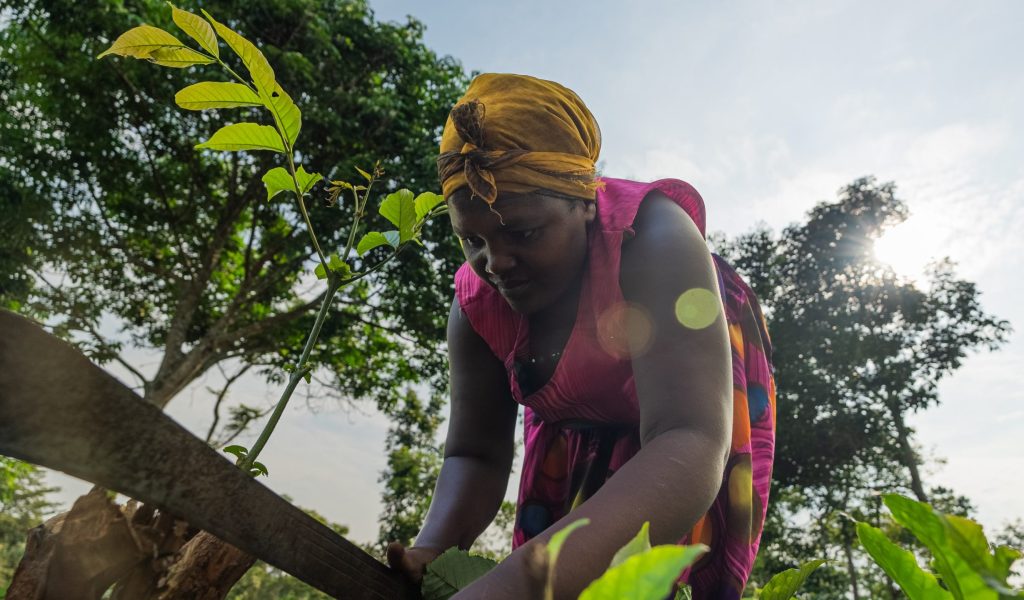
The Restore Africa (RESAF) Project is a pioneering afforestation and reforestation initiative led by Catholic Relief Services (CRS). With a focus on climate resilience and sustainable land management, RESAF aims to restore 350,000 hectares of degraded land, plant 15.5 million trees, and sequester 11.35 million tonnes of CO₂ over 30 years, benefiting 380,000 rural households across seven districts in Malawi.
AGCOM’s Dwambazi and Mwenilondo Irrigation Scheme-World Bank
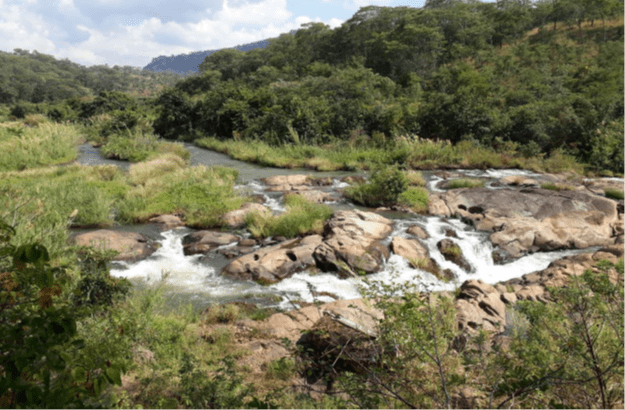
The Dwambazi Irrigation Scheme is part of the Malawi Food Systems Resilience Programme (MFSRP), a World Bank-funded initiative aimed at increasing agricultural productivity and food security. The project focuses on upgrading irrigation systems to enhance resilience against climate change and improve farmers’ livelihoods.
Zantchito Programme (Upgrading of 4 TEVET COLLEGE)-UNOPS
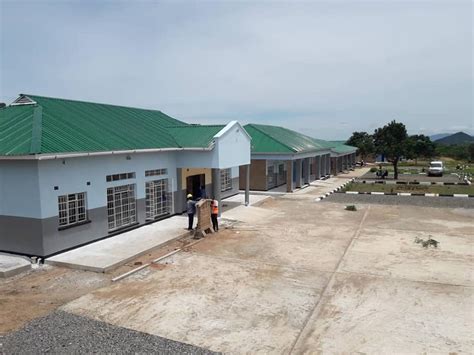
Matex International conducted Environmental and Social Impact Assessments (ESIAs) and developed Environmental and Social Management Plans (ESMPs) for the Zantchito Programme, implemented by UNOPS